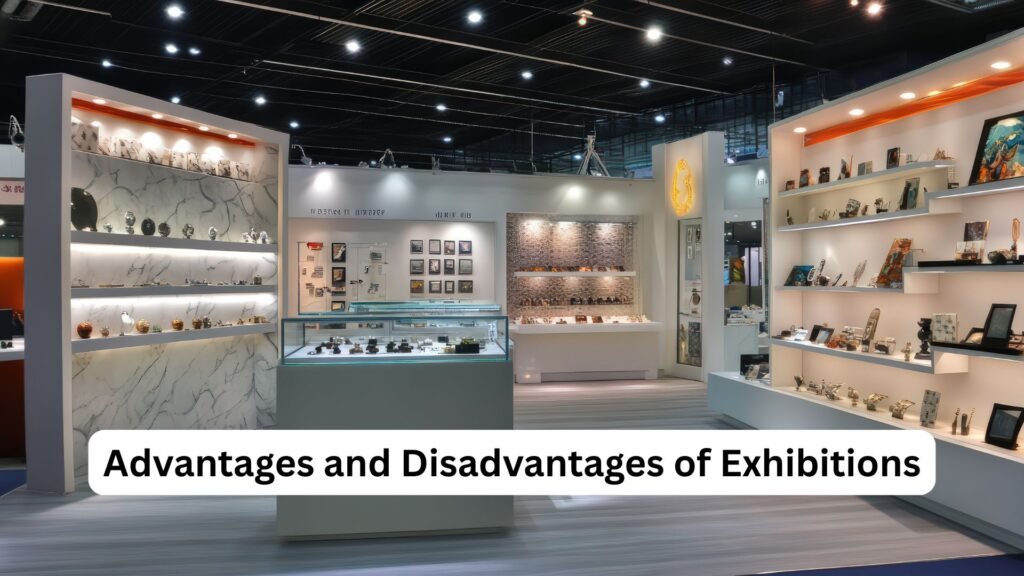
Trade shows, art galleries or product presentations have always been a successful way to present new innovations, products or arts in front of a large audience. They offer great networking, learning and marketing possibilities as well, but are not without challenges and downsides. In this article, I will discuss the pros and cons of participating at, or attending, exhibitions.
Advantages of Exhibitions
Networking Opportunities:
One of the biggest pros to attending exhibitions is that you can network and make lots of new contacts. Expos host a variety of professionals from potential clients to thought leaders, competitors and suppliers. There are also opportunities for direct interaction, which can result in lucrative business relationships and partnerships. Perfect for new contact and lead generation if you exhibit.
Brand Exposure:
Fairs and Trade Shows are a medium through which companies can enhance their market visibility. Bringing products or services on the exhibition floor can dramatically increase brand awareness for a company. Exhibitions are often covered by the media and can be an effective way of launching a new product or service into the public domain. Exposure and the Potential for Brand Recognition Customers can become acquainted with your business over time.
Market Research and Feedback:
Trade shows enable companies to put their product or service to the test of public opinion. Through talking to the punters, exhibitors can learn what people think of their offering, which should inform product development, pricing, strategy. This instant market research is typically far more telling than surveys or focus groups, as it delivers unadulterated feedback on the spot.
Increased Sales Opportunities:
Promotions can generate direct sales. In-person presentations enable companies to demonstrate their worth, answer questions in real time, and increase the chances of closing a sale. Quite a lot of visitors who come to exhibitions they are looking to buy, or at least order and that’s why exhibitions trade is so effective.
Educational Value:
The majority of trade shows involve workshops, seminars or panel talks where members are taught new trends in their industry besides best practice. In the case of professionals, these sessions may provide helpful information and update about industry guidelines. Similarly, the firms can attend other presentations and get more information about market dynamic.
Building Credibility and Reputation:
Participation in an exhibition is likely to enhance the visibility of a firm. This demonstrates that the business is dynamic in the business industry and it is devoted to engaging with its customers. To exhibitors, attending a well-known exhibition is the way to solidify their position in the industry at tier one, which creates a long-lasting connection with their clients.
Disadvantages of Exhibitions
High Costs:
As much as exhibitions offer opportunities, the downsides can also discourage certain businesses. Rental space, booth design & construction, travel costs, marketing materials and staff can become quite the expense. For smaller companies it may be hard to rationalize the cost, particularly if they don’t see a payoff directly after an exhibition.
Time-Consuming Preparation:
Arranging a productive exhibit is no accident – lots of planning and forethought go into it. For exhibitors, this means having an attractive and informative booth, trained staff in attendance as well as promotional materials at the ready. This process can require days, even weeks or months of preparation, which undermines other significant business operations. In addition, the event can be several days long and not conducive to business as usual.
Limited Target Audience:
While events do attract a high volume of traffic, not everyone passing each stand is relevant to every exhibitor. Sometimes the viewers are not the same demographic as the exhibitor. For instance, a high-end brand may not attract the same amount of interest at a general consumer expo as it would at a niche event. This misalignment can lead to frustration, wasted time and resources and loss of effectiveness when future marketing opportunities are missed.
Competitive Environment:
The exhibition floor can be crowded, and seems like a deeply competitive place at which to be noticed. Moving from show to show, companies can get dwarfed by larger firms with massive display structures or smaller budgets can get lost behind massive marketing displays that suck up the majority of the audience traffic. This can be disheartening, particularly for small businesses or startups that are trying to get noticed in a crowded market.
Logistical Challenges:
Setting-up an exhibit booth, shipping needs, hosting your team in the booth, and scheduling meetings during a show can be very complicated. Whether it is last minute breakdown of equipment, products that don’t show up on time or miscommunication, many things can leave an exhibitor feeling frustrated and stressed. These logistical issues may leave some people feeling like the event wasn’t worth it.
Short-Term Impact:
Although exhibitions have the ability to produce immediate sales or leads, it is not always that the long-term outcome can be as substantial. Unless the businesses respond to the potential clients or leads timely, the connections obtained during the exposition may not result in long-term growth. Exhibitions are also a chance, and unless one follows up on strategic basis, the benefits might be lost in the shortest time.
Read Also: Tissue World Miami 2026
top convention cities in the world
Conclusion
Exhibitions provide the business world with a vibrant platform where they can market their products, meet new customers and obtain a good feedback. They are, however, also associated with great costs and logistical limitations that might not necessarily bring about short and long term outcomes. When companies are planning to get into the event, they should weigh the pros and cons but make sure that the event complies with their marketing strategy and business objectives. Exhibitions can be used as a very useful means of creating brand awareness, sales and some industry relationships with the proper planning and implementation.